
Content verified:
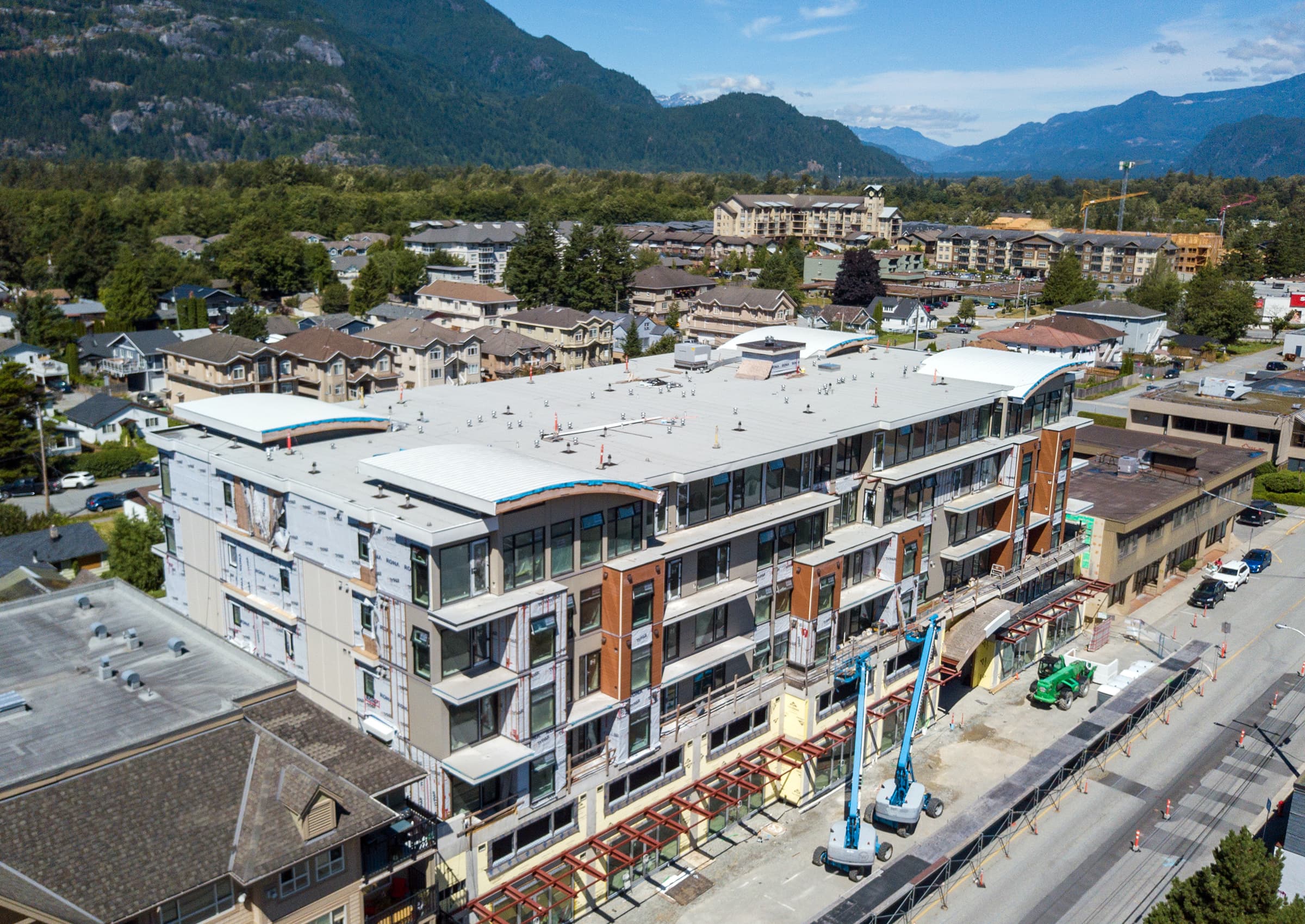
SBS Modified Bitumen Roofing
SBS modified bitumen is a multi-ply asphalt roofing system used on commercial low-slope roofs because it combines redundant waterproofing, cold-weather flexibility, and durable detailing around penetrations. It commonly delivers 20 to 25 years of service life and is a strong fit for BC climates.
What Is SBS Modified Bitumen Roofing?
SBS modified bitumen is a commercial low-slope roofing system built with polymer-modified asphalt sheets, usually in a 2-ply assembly. It is chosen for redundant waterproofing, strong flashing performance, and flexibility that makes it a reliable fit for colder climates.
SBS stands for styrene butadiene styrene. The polymer makes asphalt more elastic and more workable at lower temperatures than conventional built-up materials.
What Are the Advantages of SBS Modified Bitumen Roofing?
SBS roofing is valued for redundant 2-ply protection, durable detailing, and flexibility in cold weather. It commonly delivers 20 to 25 years of service life and remains one of the strongest options for commercial roofs with complex penetrations and regular service traffic.
Redundant 2-Ply Protection
Two membrane plies provide backup waterproofing if the cap sheet is damaged or worn.
Cold-Weather Flexibility
SBS remains pliable in colder conditions, which is one reason it is regularly used in BC and other northern climates.
Complex Roof Compatibility
The system adapts well to curbs, drains, penetrations, and irregular low-slope roof geometry.
Walkable Surface
Granule-surfaced cap sheets create a durable finish for roofs that see regular maintenance traffic.
How Is SBS Modified Bitumen Installed?
SBS roofing is installed as torch-applied, cold-applied, or self-adhered assemblies depending on the building, fire-risk controls, and project logistics. All methods rely on careful lap detailing and compatible flashing work because the system’s strength comes from complete membrane continuity.
Torch Applied
Creates a fully bonded waterproof assembly and is common on new construction or controlled job sites with certified technicians.
Cold Applied or Self-Adhered
Eliminates open flame and is often preferred on occupied buildings or projects with stricter fire-risk management requirements.
What Buildings Are Best Suited for SBS Modified Bitumen Roofing?
SBS is best suited for low-slope buildings with complex detailing, regular rooftop traffic, or cold-weather exposure. Multi-family buildings, retrofit projects, and commercial roofs with many curbs, drains, and penetrations are common SBS applications.
- Multi-family residential buildings including condominiums, apartments, and townhomes
- Buildings with complex roof geometry and numerous penetrations
- Projects needing a durable, walkable roof surface for routine service traffic
- Retrofit work where multi-ply redundancy is a higher priority than reflective performance
Why Is SBS Roofing Well Suited to BC's Climate?
SBS is a strong fit for BC because it stays flexible during colder weather and provides multi-ply waterproofing for long wet seasons. That combination makes it useful on coastal roofs, freeze-thaw environments, and mountain projects where detailing durability matters.
Coastal BC
Long rain seasons put a premium on redundant waterproofing and durable flashing transitions.
Fraser Valley
Freeze-thaw cycling makes low-temperature pliability valuable around roof movement and penetrations.
Sea-to-Sky
Snow loads and colder winters increase the value of durable, flexible membrane and flashing assemblies.
How Does SBS Compare With TPO and EPDM Roofing?
SBS is usually selected when redundancy and low-temperature detailing matter more than reflectivity. TPO often wins on cool-roof performance, while EPDM is favored for long single-ply history. SBS usually costs more than basic EPDM but offers multi-ply waterproofing.
| System | Typical Installed Cost | Expected Lifespan | Best Applications |
|---|---|---|---|
| SBS Modified Bitumen | $8-$14/sq. ft. | 20-25 years | Cold climates, redundancy, complex low-slope roofs |
| TPO | $8-$13/sq. ft. | 25-30 years | Reflective roofs and general commercial use |
| EPDM | $7-$12/sq. ft. | 25-35 years | Cold flexibility and large roof areas |
Cost figures are planning ranges only. Final price depends on tear-off scope, insulation, surfacing, flashing complexity, occupancy constraints, and installation method.
Frequently Asked Questions About SBS Roofing
What is the difference between SBS and TPO roofing?
SBS is a multi-ply modified asphalt system, while TPO is a single-ply thermoplastic membrane. SBS is chosen for redundancy and cold-weather detailing, while TPO is often chosen for reflectivity and welded seams.
How long does an SBS roof last?
A well-installed SBS roof commonly lasts 20 to 25 years. Service life depends on drainage, rooftop traffic, flashing maintenance, and whether the assembly is protected from preventable punctures and neglect.
Can SBS roofing be installed in cold weather?
Yes. SBS remains more flexible in cold conditions than many asphalt-based alternatives, which is one reason it is considered well suited to BC and other northern climates. Installation method still matters.
Where is SBS modified bitumen most commonly used?
SBS is commonly used on low-slope commercial and multi-family buildings with many penetrations, regular maintenance traffic, or geometry that benefits from multi-ply redundancy and durable flashing transitions.
Compare Roofing Systems
Compare SBS modified bitumen with other commercial roofing systems used across BC.
Need Roofing Support?
Talk with the Raven Roofing team about your building and timeline.
Contact Raven Roofing